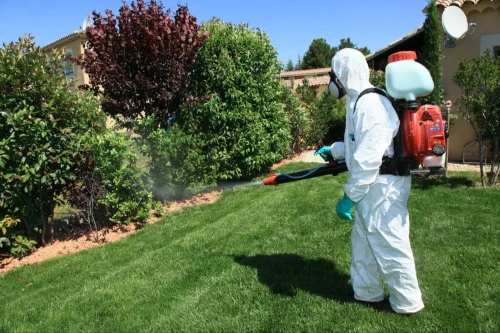
FAQ
Frequently Asked Questions: Pest Control in Bonita Springs. Florida
Bonita Springs, Florida Pest Control FAQs
Frequently Asked Questions About Pest Control in Bonita Springs, Florida
At Pest Control Xperts, we believe that an informed homeowner is a protected homeowner. Pest control in Southwest Florida is unique due to our tropical climate, coastal humidity, and specific construction styles. We hear many of the same questions from our neighbors in Bonita Springs, Naples, and Marco Island, so we have compiled this comprehensive guide to help you understand what is happening on your property.
Whether you are dealing with a sudden ant invasion in your kitchen, hearing scratching in your attic, or simply want to prevent future issues, we have the answers. Below, you will find detailed information about our general services, specific pests, and safety protocols.
If you do not see your specific question listed here, or if you have an urgent issue, we are ready to listen.
Contact us today.
General Pest Control Questions
Do you provide pest control services in my neighborhood?
We are a locally focused company serving the heart of Southwest Florida. Our primary service area includes Bonita Springs, Naples, and Marco Island. We also cover surrounding communities such as Estero, Pelican Bay, Vanderbilt Beach, Golden Gate, and North Naples. If you live in these areas, our technicians are likely already working on a street near you.
Do I need to leave my house during a pest control treatment?
For most standard residential pest control services, such as ant or roach baiting and exterior perimeter treatments, you do not need to leave your home. We use targeted applications that allow you to stay comfortable. However, for specific intensive treatments like flea extermination or widespread bed bug eradication, we may ask you and your pets to vacate the property for a few hours to allow the products to dry completely. We will always communicate this requirement clearly before we arrive.
Are your treatments safe for my pets and children?
Safety is our top priority. We utilize integrated pest management (IPM) principles, which means we prioritize low-toxicity methods and targeted placement. We place baits in tamper-resistant stations or in cracks and crevices where pets and children cannot reach them. We ask that you keep pets away from wet surfaces until they are dry, but once dried, your home is ready for normal family life.
Do you offer green pest control or organic options?
Yes, we understand that many Bonita Springs residents are concerned about environmental impact. We offer environmentally friendly pest control strategies that focus on exclusion (sealing entry points), sanitation, and the use of botanical or mineral-based products. Integrated pest management relies on inspection and physical barriers first, reducing the reliance on traditional chemicals.
Why do I see more bugs after a treatment?
This is actually a good sign! Many professional pest control products are designed to flush pests out of their hiding spots. For example, when we treat for roaches or ants, the product may stimulate them to leave their nests and forage, causing them to cross our treatment zones. This increase in visibility usually lasts only a few days before the population collapses.
How often should I have my home treated?
In our tropical climate, pests are active year-round. There is no “off-season” for bugs in Florida. For most homes, we recommend a regular schedule of periodic pest inspections and treatments to maintain a protective barrier. A quarterly or bi-monthly service is typically sufficient to keep ants, roaches, and spiders at bay. However, severe infestations may require more frequent visits initially to gain control.
Ant Control FAQs
Why do I have ants in my clean kitchen?
Ants are foragers, and in Bonita Springs, they are often driven inside by weather changes rather than dirt. Heavy rains can flood their outdoor nests, forcing them to seek higher ground in your walls. Conversely, dry spells drive them inside searching for moisture in your sinks and bathrooms. Even a tiny crumb or a drop of juice behind the fridge is enough to attract a scout, who then lays a pheromone trail for the rest of the colony.
What is the difference between Ghost Ants and Sugar Ants?
“Sugar Ant” is a general term people use for any small ant attracted to sweets. In our area, the most common culprit is the Ghost Ant. These are incredibly tiny, with dark heads and translucent bodies that make them hard to see. They are notorious for infesting kitchens and pantries. Identifying the specific species is critical because Ghost Ants require specific baiting strategies; spraying them often makes the problem worse.
Can I just spray the ants I see with a store-bought killer?
We strongly advise against this. Most over-the-counter sprays are repellents. When you spray a trail of Ghost Ants or Pharaoh Ants, the colony senses the threat and splits into multiple smaller colonies (a process called “budding”). You might kill fifty ants, but you create two new nests in different walls, spreading the infestation throughout your home.
Do you treat Carpenter Ants?
Yes, carpenter ant removal is one of our specialized services. Unlike termites, carpenter ants do not eat wood; they hollow it out to build nests. They prefer moist, damaged wood, often found near window leaks, door frames, or lanai roofs. We locate the parent colony, which is often outside in a tree stump, and the satellite colonies inside your home to stop the damage.
How do I stop ants from coming in around my windows?
Ants use vegetation as bridges. The first step is to trim back any bushes, palm fronds, or tree limbs touching your house. Next, inspect the caulking around your windows and doors. Over time, the Florida sun degrades these seals, creating tiny entry points. We can help identify these gaps during our inspection and recommend pest proofing steps.
Bed Bug Eradication FAQs
How can I tell if I have bed bugs or just mosquito bites?
This is a common question in Florida. Bed bug bites often appear in a line or a cluster, usually on areas exposed while sleeping (arms, neck, shoulders). They tend to be red and itchy. Mosquito bites are usually more random. The best way to confirm is to look for physical evidence: small rusty blood stains on sheets, dark fecal spots on mattress seams, or shed skins. If you are unsure, reach out to us for a professional inspection.
Do I need to throw away my mattress if I have bed bugs?
In most cases, no. We can effectively treat mattresses and box springs. We often recommend installing high-quality, bug-proof encasements after treatment to lock out any future pests and trap any remaining activity. Throwing out furniture can actually spread bugs through your house as you drag the items out.
How do bed bugs get into my home?
Bed bugs are hitchhikers. They do not fly or jump. They enter homes on luggage after a trip, in used furniture, or on clothing. In Bonita Springs, we often see outbreaks after the holiday travel season or when college students return home. Condos and multi-unit buildings are also at higher risk due to bugs moving between units.
How do I prepare for a bed bug treatment?
Preparation is vital for success. You will need to remove all bedding and wash it on the hottest setting. Declutter the floors, particularly in bedrooms, to give our technicians access to baseboards. Empty nightstands and dressers if requested. We will provide you with a specific checklist to ensure your home is ready for effective bed bug eradication.
Cockroach and Palmetto Bug FAQs
What is the difference between a Roach and a Palmetto Bug?
There is no difference biologically; “Palmetto Bug” is simply a polite Southern term for the American Cockroach. These are the large, reddish-brown insects that often fly. They prefer to live outdoors in palm trees and mulch but come inside looking for water. German Cockroaches, on the other hand, are smaller, light brown, and live strictly indoors, infesting kitchens and bathrooms.
Why are roaches so hard to get rid of?
Roaches are incredibly resilient. They can survive for weeks without food and hold their breath for up to 40 minutes. They reproduce quickly, and their eggs are protected in a hard case called an ootheca that resists many insecticides. Successful roach extermination requires breaking the life cycle with insect growth regulators, not just killing the adults.
Does seeing one roach mean I have an infestation?
If it is a large Palmetto Bug near a door or window, it might just be a stray intruder. However, if you see a small German Cockroach in your kitchen, it almost certainly indicates a larger population hidden nearby. German roaches congregate together; for every one you see, there are likely dozens hiding in cracks and crevices.
How do I keep roaches out of my Florida home?
Sanitation and exclusion are key. Seal gaps around plumbing pipes under sinks, as this is a common highway for them. Keep food in airtight containers and do not leave pet food out overnight. Reduce cardboard storage in your garage, as roaches love to hide in corrugation. Regular pest barrier installation around the exterior helps stop them before they enter.
Flea and Tick Control FAQs
Why do I have fleas if my pet never goes outside?
You can unknowingly carry fleas inside on your shoes or pant legs after walking through grass. Additionally, wildlife like raccoons, opossums, or stray cats may be crossing your yard or living in your crawlspace, dropping flea eggs that eventually hatch and find your indoor pet. Screened lanais are not always a perfect barrier against these tiny pests.
Do you treat the yard for fleas and ticks?
Yes. In Southwest Florida, treating the interior alone is often not enough. We must address the source. We perform targeted exterior treatments on shaded areas, sandy spots, and under shrubs where larvae develop. We focus on the “ecotone”—the area where your manicured lawn meets wilder vegetation—as this is where ticks wait for hosts.
Are ticks active in the winter here?
Yes. Unlike northern states where frost kills off tick populations, Florida ticks remain active year-round. The Brown Dog Tick can actually complete its entire life cycle indoors, infesting kennels and homes regardless of the season. Continuous tick removal and prevention is necessary.
What should I do with my pet during flea treatment?
Your pet must be treated with a veterinarian-approved flea product on the same day we treat your home. This prevents them from re-introducing fleas to the treated environment. Pets should remain out of the home until our products have completely dried.
Rodent Control (Rats and Mice) FAQs
How do I know if I have rats in my attic?
The most common sign is noise. Roof Rats are nocturnal, so you will likely hear scratching, scurrying, or thumping sounds in the ceiling at night. You may also find insulation that has been trampled or burrowed into. Other signs include chew marks on wires or PVC pipes, and finding fruit in the yard that has been hollowed out.
Why do rats chew on wires?
Rodent teeth never stop growing. They must gnaw on hard materials to file them down. Unfortunately, copper wiring and PVC piping in your attic feel perfect to them. This behavior creates a significant fire hazard and risk of water damage, which is why rodent removal is urgent.
Can I just use poison blocks to kill the rats?
We do not recommend placing poison inside your home yourself. If a rat eats the poison and dies inside a wall void or AC duct, the odor can be unbearable and necessitate cutting into walls to remove the carcass. Professional rodent control focuses on exclusion (sealing them out) and trapping (removing them so they can be disposed of properly).
How do rats get onto my roof?
Roof Rats are agile climbers. They use tree branches, tall shrubs, power lines, and even rough stucco walls to reach the roof. Once there, they enter through soffit vents, ridge vents, or “roof returns” where the soffit meets the roofline. We advise keeping trees trimmed at least 6 to 8 feet away from the structure.
What is “exclusion” work?
Exclusion is the process of physically sealing your home against pests. For rodents, this involves using materials they cannot chew through—like steel wool, copper mesh, and concrete—to close holes around pipes, vents, and doors. It is the only permanent solution for rodent infestation control.
Rodent Control (Rats and Mice) FAQs
How do I know if I have rats in my attic?
The most common sign is noise. Roof Rats are nocturnal, so you will likely hear scratching, scurrying, or thumping sounds in the ceiling at night. You may also find insulation that has been trampled or burrowed into. Other signs include chew marks on wires or PVC pipes, and finding fruit in the yard that has been hollowed out.
Why do rats chew on wires?
Rodent teeth never stop growing. They must gnaw on hard materials to file them down. Unfortunately, copper wiring and PVC piping in your attic feel perfect to them. This behavior creates a significant fire hazard and risk of water damage, which is why rodent removal is urgent.
Can I just use poison blocks to kill the rats?
We do not recommend placing poison inside your home yourself. If a rat eats the poison and dies inside a wall void or AC duct, the odor can be unbearable and necessitate cutting into walls to remove the carcass. Professional rodent control focuses on exclusion (sealing them out) and trapping (removing them so they can be disposed of properly).
How do rats get onto my roof?
Roof Rats are agile climbers. They use tree branches, tall shrubs, power lines, and even rough stucco walls to reach the roof. Once there, they enter through soffit vents, ridge vents, or “roof returns” where the soffit meets the roofline. We advise keeping trees trimmed at least 6 to 8 feet away from the structure.
What is “exclusion” work?
Exclusion is the process of physically sealing your home against pests. For rodents, this involves using materials they cannot chew through—like steel wool, copper mesh, and concrete—to close holes around pipes, vents, and doors. It is the only permanent solution for rodent infestation control.
Spider Control FAQs
Are the spiders in my pool cage dangerous?
Most spiders found in lanais, like Spiny Orb Weavers or Banana Spiders, are harmless to humans and are simply catching flying insects. However, their webs can be messy and unsightly. We provide spider removal to keep your screened areas clean. We do look out for Widow spiders, which can be found in low corners or cluttered storage areas and pose a bite risk.
Why do I have so many spiders on my boat dock?
Spiders settle where the food is. Lights on boat docks and lanais attract flying insects (midges, mosquitoes, moths), which in turn attract spiders. Managing the lighting (switching to yellow bug lights) and regular de-webbing services are the best ways to reduce the population.
How do you get rid of Wolf Spiders?
Wolf Spiders are hunters that roam the floor rather than building webs. They often enter under garage doors or through unsealed entryways. Because they don’t groom themselves like ants, sprays are less effective. The best defense is exclusion—sealing the gaps they use to enter—and reducing the general insect population they feed on.
Termite Protection FAQs
What are the signs of termites in a Florida home?
Subterranean termites build “mud tubes” up foundation walls to protect themselves from the sun. You might also see blistered paint, wood that sounds hollow when tapped, or discarded wings on windowsills. Drywood termites leave behind small piles of fecal pellets that look like coffee grounds or sand.
When is termite swarming season?
Subterranean termites typically swarm in the spring, often after a warm rain. Drywood termites swarm later in the spring and summer. However, termites are active year-round in our climate. If you see a swarm of flying insects inside your home, reach out to us for assistance immediately.
Do I need termite protection if I have a block home?
Yes. While concrete block doesn’t rot, the wooden trusses, framing, baseboards, and cabinets inside your home certainly do. Termites can travel through tiny cracks in the slab or stucco to reach this wood. Every home in Southwest Florida is at risk without a preventative barrier.
What is the difference between subterranean and drywood termites?
Subterranean termites live in the soil and require moisture; they cause the most structural damage and are treated with soil barriers or bait stations. Drywood termites live entirely inside the wood (like attic beams or furniture) and get moisture from the humidity; they require targeted wood treatments or structural fumigation.
How does a termite baiting system work?
Termite bait stations are installed in the ground around the perimeter of your home. They contain a cellulose material that attracts foraging termites. Once activity is detected, the bait is switched to an active ingredient that the workers carry back to the colony. This eliminates the queen and the entire colony, providing long term pest control without pumping liquid chemicals into the ground.
Commercial and Local Service FAQs
Do you service restaurants and food processing facilities?
Yes. Commercial pest services for restaurants require a higher level of precision and documentation. We understand health code compliance and zero-tolerance policies. We focus on sanitation audits, fly control, and discreet treatments that do not disrupt your business operations.
Do you work with Property Managers and HOAs?
Absolutely. We specialize in multi-unit housing and condo associations in Naples and Bonita Springs. We understand the unique dynamics of treating shared walls and coordinating with tenants. We offer commercial pest eradication plans tailored to large complexes.
What areas do you serve specifically?
We are proud to serve the following communities:
- Bonita Springs: From the beaches to the golf communities.
- Naples: Including Old Naples, Port Royal, and Golden Gate.
- Marco Island: Serving single-family homes and high-rise condos.
- Estero: Residential and commercial coverage.
- North Naples: Including Pelican Bay and Vanderbilt Beach.
Is there a local pest control company near me that understands coastal issues?
Yes, Pest Control Xperts is locally based. We understand how salt air affects screens, how sandy soil impacts ant nests, and how our tropical flora attracts specific pests. We are not a generic franchise; we are your neighbors.
How quickly can you come out for an inspection?
We strive for responsive service. In most cases, we can schedule an inspection within 24 to 48 hours. If you have an emergency situation, let us know, and we will do our best to expedite your service.
Zip codes we serve: 34134, 34135, 34145, 34110, 34119, 34102, 34103, 34104, 34105, 34108, 34109, 34112, 34113, 34114, 34146